
One PC-12 NGX for Two Owners: A Fractional Ownership Mandate from Acquisition to Exit
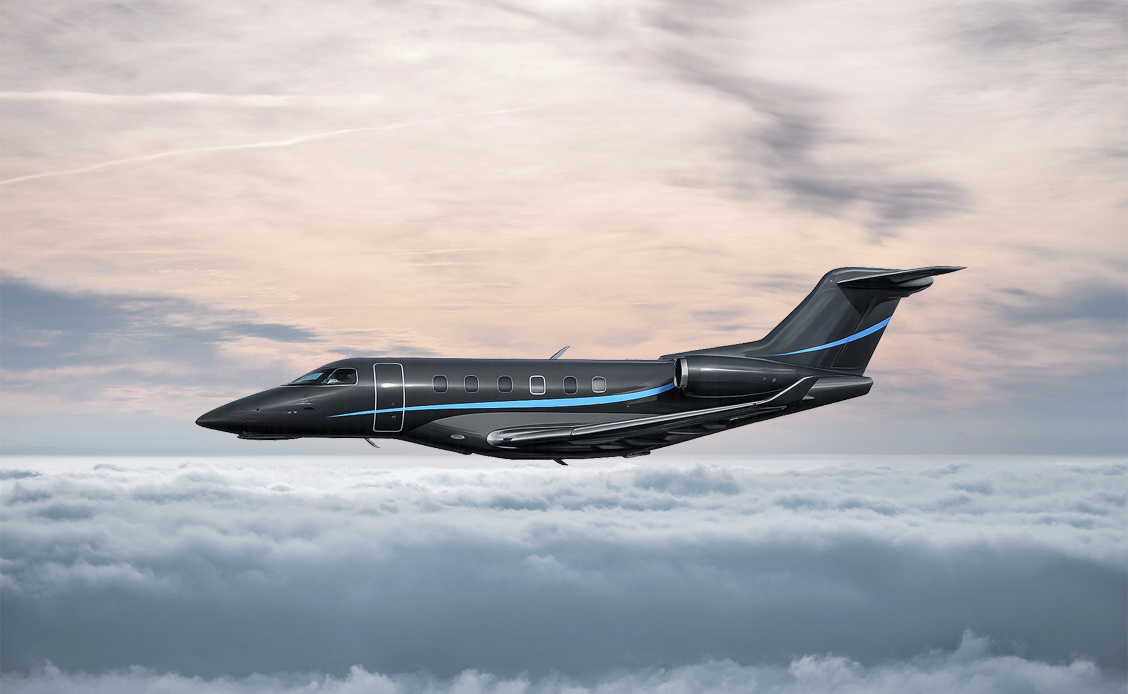
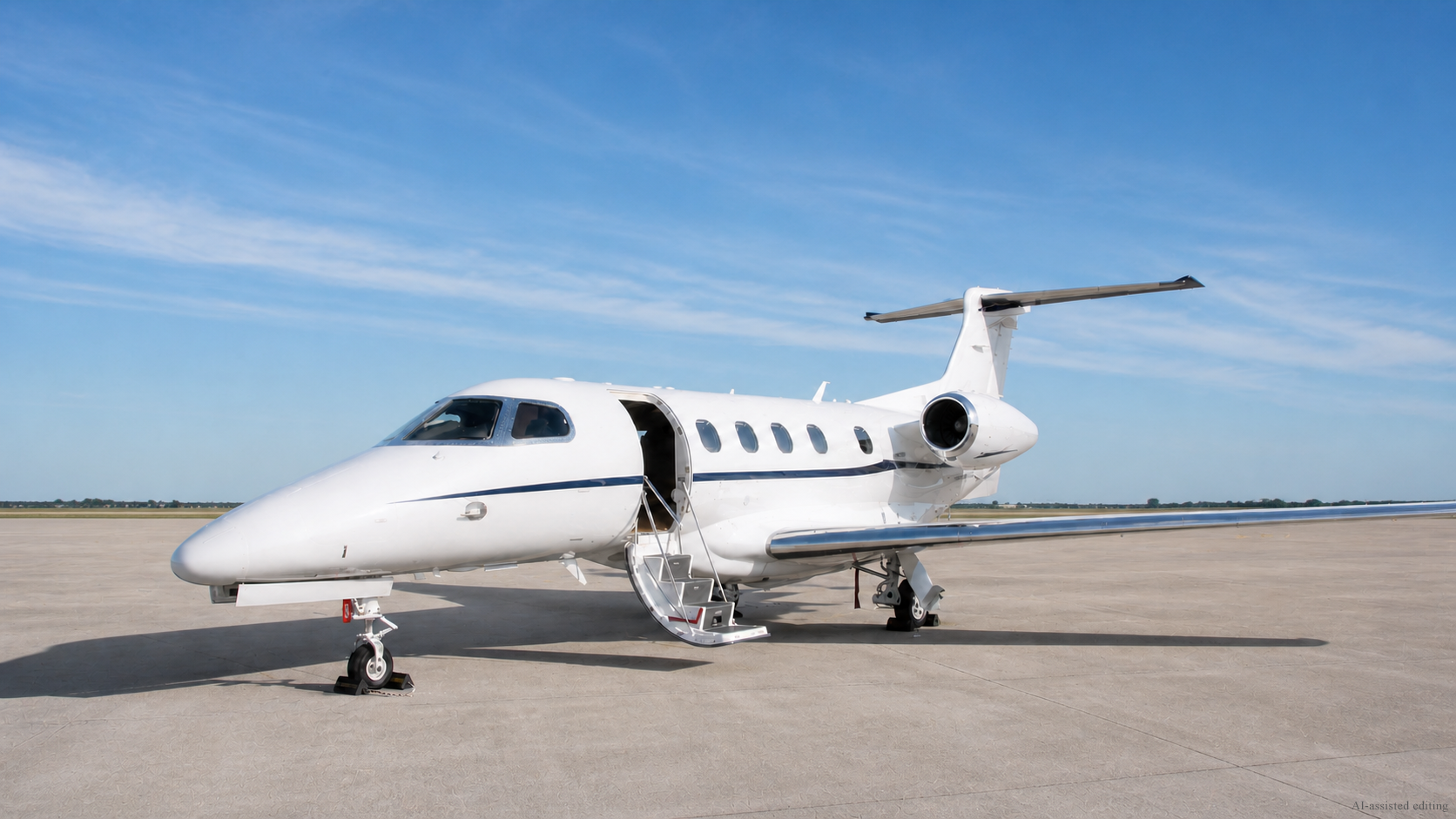
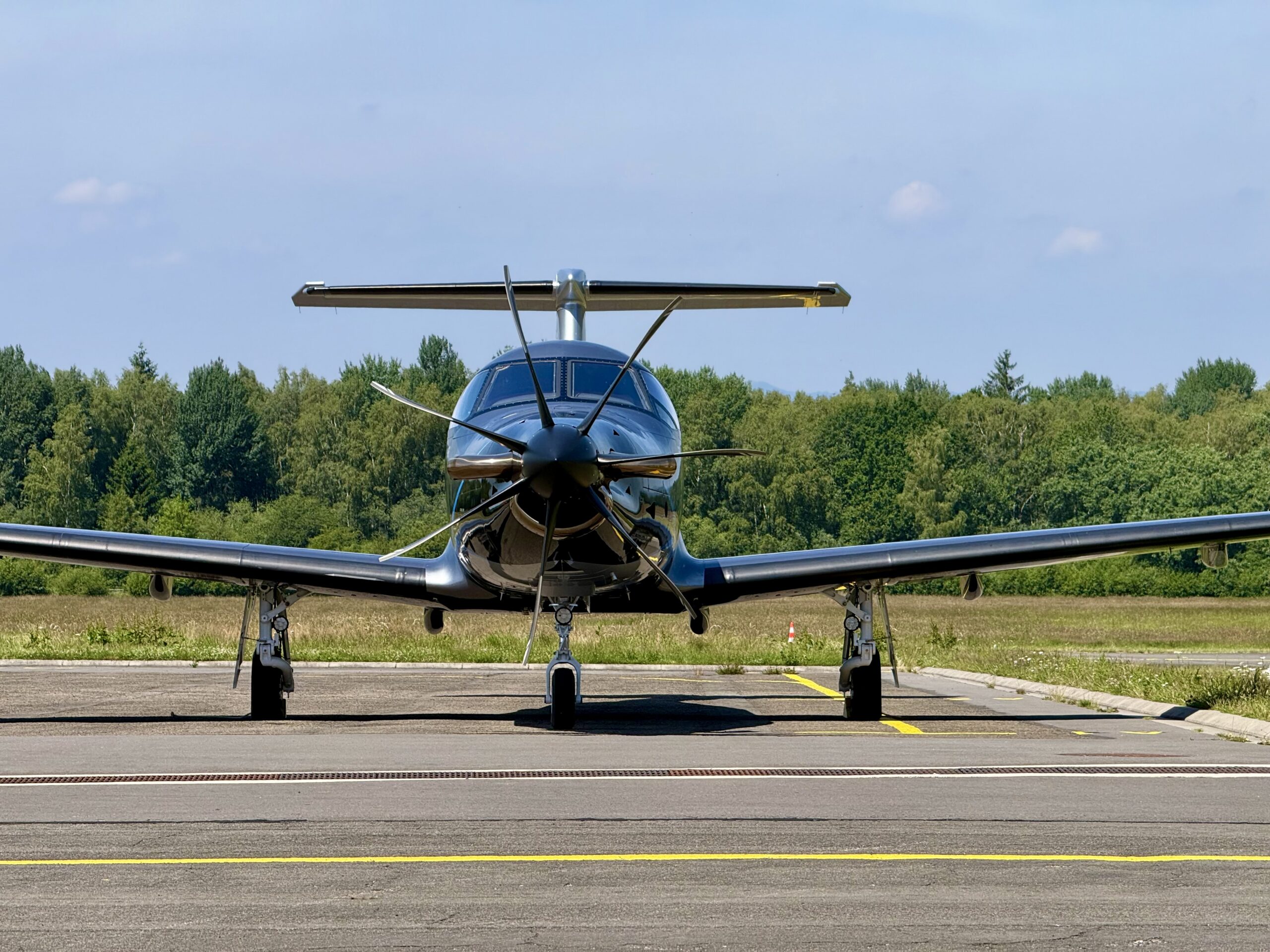
Private aviation works particularly well when the aircraft, ownership structure and operating profile are considered as one from the outset. This case study reviews a Pilatus PC-12 NGX acquired and operated for two owners through an equal fractional ownership structure.
Lohn Aviation was involved before the acquisition, supporting the corporate structure, financial planning and preparation of the operating model. The aircraft was delivered in early 2024, accumulated approximately 700 flight hours by mid-2026 and was subsequently sold for a net price of USD 6.88 million.
For reasons of discretion, the owners, registration, precise home base and individual aircraft specification are not disclosed. Approximately USD 1.4 million of the USD 6.7 million net acquisition price related to optional equipment. Further details remain confidential because a particular combination of features could allow the aircraft to be identified.
The structure came before the aircraft
With two owners each holding a 50 per cent interest, dividing the purchase price was only the starting point. Ownership, funding, utilisation, operating expenses and decision-making rights had to be combined within a robust corporate structure before delivery.
Equal equity ownership did not require identical utilisation in every year. Asset-related obligations and utilisation-related costs therefore had to be distinguished. Corporate commitments and other fixed expenses generally followed the ownership percentages, while fuel, hourly maintenance programs and other mission-related expenses were allocated according to use.
Which ownership and operating structure was used?
Aircraft ownership and aircraft operation were deliberately separated. A dedicated aircraft-owning company was positioned directly beneath an existing holding company. It held the aircraft as an asset and made it available to a separate operating company under an operating lease.
The operating company was responsible for operational use and compensated the owning company under defined contractual terms. This separation provided greater clarity around asset ownership, flight operations, cash flows, liability exposure and the eventual sale. It also allowed the PC-12 NGX to remain identifiable as a discrete asset within the wider holding structure.
Positioning the owning company beneath the holding was intended to allow qualifying economic and tax effects to be reflected within the existing group architecture. It did not create an automatic tax advantage. The structure required a genuine business purpose, arm’s-length lease terms, a disciplined separation of private and business use and compliance with the applicable corporate-income, VAT and other tax requirements. It was therefore implemented in coordination with the owners’ legal and tax advisers.
Clear provisions were also required for booking priorities, conflicting travel requests, maintenance periods, additional reserves and the eventual sale. Potential deadlocks are particularly important in a 50:50 structure because neither owner holds a controlling majority. A shared aircraft does not require greater complexity, but it does require greater clarity.
Acquisition and peak liquidity requirement
The aircraft was acquired on the basis of a USD 6.7 million net purchase price, excluding VAT. Under the equal ownership structure, this represented a net investment of USD 3.35 million per owner.
The net price did not represent the maximum funding requirement. Import VAT of 19 per cent had to be paid when the aircraft entered the relevant jurisdiction. This created an additional interim cash requirement of approximately USD 1.273 million, taking total initial funding to approximately USD 7.973 million.
The import VAT was subsequently refunded by the tax authority. It therefore did not remain part of the aircraft’s economic value, but the full amount still had to be available at the time of import. Each owner had to fund approximately USD 636,500 in addition to the USD 3.35 million net ownership share.
Is VAT invariably payable when acquiring an aircraft?
No. The VAT or import-VAT treatment depends on several factors, including the place of delivery, the aircraft’s previous location, the import route, the acquiring entity and the intended operation. An aircraft acquired within the European Union may be treated differently from one imported from a third country. The ownership structure and the taxable business activities for which the aircraft is used are also relevant.
This distinction is fundamental to an international aircraft transaction. Purchase price, tax payment and economic cost are not the same. A sound liquidity plan must nevertheless capture every cash movement, including recoverable tax and any financing expense incurred until the refund is received.
Operating-cost planning for the first two years
The operating plan assumed 300 flight hours per year. Fixed costs for the first year were budgeted at approximately EUR 166,100. These covered hangar, insurance, aircraft management, navigation and data services, the annual inspection and a reserve for unforeseen technical and operational expenses.
Initial flight-dependent costs were estimated at approximately EUR 717 per flight hour. Fuel represented EUR 567, while airways and other mission-related charges added EUR 150. The fuel assumption was based on consumption of 270 litres per hour at EUR 2.10 per litre.
At 300 flight hours, the resulting first-year operating budget was approximately EUR 381,200, excluding crew. Once the introductory free period for certain data services ended, fixed costs increased to approximately EUR 173,700 in the second year. Under otherwise unchanged assumptions, the second-year operating budget was approximately EUR 388,800.
The liquidity model deliberately included additional reserves. Its purpose was not to present the lowest possible hourly rate, but to absorb technical variances, price changes and program fees that would begin later in the aircraft’s lifecycle.
Additional costs in the third operating year
Further recurring expenses applied in the third year. CAMO was budgeted at EUR 4,200 and CAMP engine monitoring at EUR 3,600 per year. Under unchanged assumptions, this increased annual fixed costs to approximately EUR 181,500.
From the aircraft’s 401st flight hour onwards, the ESP engine program added USD 150 per flight hour. This threshold matters when assessing lifecycle cost. A young aircraft can initially show relatively low cash expenditure while warranties, introductory benefits and deferred program charges move part of the financial burden into later periods.
A credible ownership budget should therefore not simply extrapolate the first year. It needs to identify when complimentary services end, hourly programs become payable and calendar- or utilisation-driven maintenance events arise.
Why crew costs are not included
The published operating figures deliberately exclude crew costs. The aircraft did not have its own permanently employed flight crew. Appropriately qualified pilots were instead assigned from Lohn Aviation’s pilot pool.
Pilot costs were charged separately according to the actual assignment. The relevant factors included mission duration, number of operating days, positioning, overnight stays and the requirements of the particular journey. This avoided a permanent fixed-cost block for a crew assigned exclusively to one aircraft.
For two owners flying approximately 300 hours per year, this model provided considerable flexibility. It also means that the stated operating figures are not an all-in price for a particular trip. Crew expenditure remains mission-specific and must be added separately to any individual calculation.
Planning compared with actual utilisation
The aircraft was delivered in early 2024 and sold in mid-2026 with approximately 700 flight hours. Across the holding period, this was equivalent to annualised utilisation of roughly 280 to 300 hours. Actual use was therefore close to the original plan.
This alignment was economically significant. At materially lower utilisation, insurance, hangar, management and other fixed costs would have been allocated across fewer flight hours. Considerably higher utilisation could have introduced additional maintenance events, program charges and different crew-planning requirements.
The plan therefore reflected the overall scale of the actual operation well. Individual expenses naturally developed differently from the original assumptions, but the relationship between utilisation, fixed expenses and flight-dependent costs remained robust.
Sale for a net price of USD 6.88 million
The PC-12 NGX was sold in mid-2026 with approximately 700 flight hours for a net price of USD 6.88 million. Compared with the original net acquisition price of USD 6.7 million, this represented a nominal asset-value difference of USD 180,000, or approximately 2.7 per cent.
Under the equal ownership structure, the net sale price represented USD 3.44 million per owner. The import VAT paid and subsequently refunded is not relevant to this comparison because both acquisition and sale values are presented net.
The nominal difference should not be interpreted as the total profit generated by the ownership model. Operating expenses, crew costs, financing, currency movements and sale-related costs must be assessed separately. The result instead demonstrates that the aircraft retained its US-dollar value particularly well despite approximately 700 hours of use.
Why was the PC-12 NGX sold after only approximately two and a half years?
A different aircraft was being acquired for the owners, and the PC-12 NGX would no longer fulfil the same role within their evolving travel and mobility strategy. The timing of the sale was therefore coordinated with the acquisition of the replacement aircraft.
From an asset and risk-management perspective, a sale while the aircraft remains covered by the manufacturer’s warranty can present an attractive exit window. Remaining warranty coverage reduces part of the technical uncertainty for a buyer, while the aircraft is still young, marketable and comparatively straightforward to assess. This can support the sale process, but it does not guarantee the highest possible price in every case.
Market conditions and total flight hours were not the only relevant factors. Maintenance status, complete records, professional technical oversight and an exit perspective considered from the acquisition stage all influence an aircraft’s marketability.
The enduring lesson from the mandate
Fractional ownership in this case was not a standardised product. It was a privately structured ownership solution for two compatible principals. A realistic utilisation profile and clear governance were more important than simply dividing the acquisition price.
The planned 300 annual flight hours proved realistic. Future cost steps were anticipated, crew was sourced flexibly from a qualified pilot pool and the eventual sale was considered within the structure from the outset.
The figures in this report are historical planning and operating references from this particular mandate. A different aircraft or ownership group requires a fresh assessment of home base, missions, annual hours, flight cycles, crew model, maintenance programs and expected availability. Precise figures are therefore developed through confidential advice around the owner’s actual mission rather than derived from a generic hourly rate.
Further Information about Aircraft Management.
The substance and factual content of this article come from the flying experience of our crew. AI assistance was used in drafting and structuring the text. It was reviewed and approved by our editorial team before publication.