
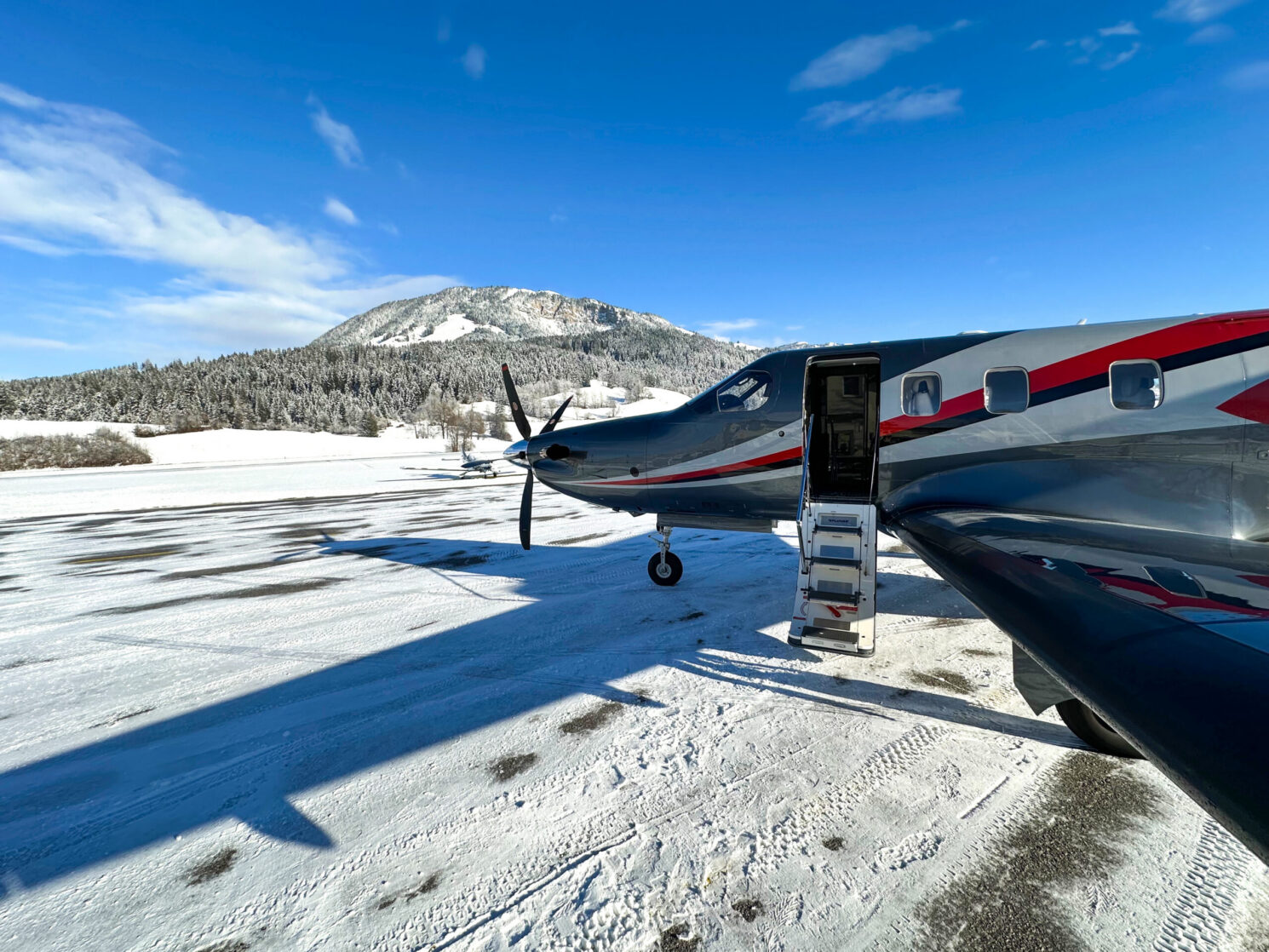
Private Flights in Winter: De-icing, Ski Luggage and Diversion Airports
Three questions can make a substantial difference to a winter charter: Is necessary de-icing included in the price? Will the skis and suitcases fit together in the proposed aircraft? And who arranges the onward journey if weather makes the destination airport unavailable? These points should be settled before booking. They affect the budget, aircraft choice and the journey through to the accommodation.
At Lohn Aviation, we treat the flight and onward travel as connected responsibilities. Our Operations Control Center, or OCC, is staffed around the clock and monitors every flight. If a weather-related diversion becomes necessary, the team also coordinates changes to the agreed ground transfer. Guests should be able to concentrate on their journey while coordination with the airport, driver and other parties takes place in the background.
Is de-icing included in the charter price?
At Lohn Aviation, de-icing costs are not included as standard. They can, however, be included by individual agreement. The written terms of the specific quotation determine the arrangement. If inclusion is requested, its scope and the flight sectors covered should be clear. The outbound flight, return journey and any additional departures may encounter different conditions.
This distinction matters because the actual treatment required is often unknown when a flight is booked. Whether de-icing is necessary, and how extensive it will be, depends on conditions at the aircraft and airport. The private charter quotation should therefore establish whether the service is charged according to actual use or covered by a separately agreed arrangement. The commercial terms do not change the requirement to carry out treatment when operationally necessary.
How much does private aircraft de-icing cost?
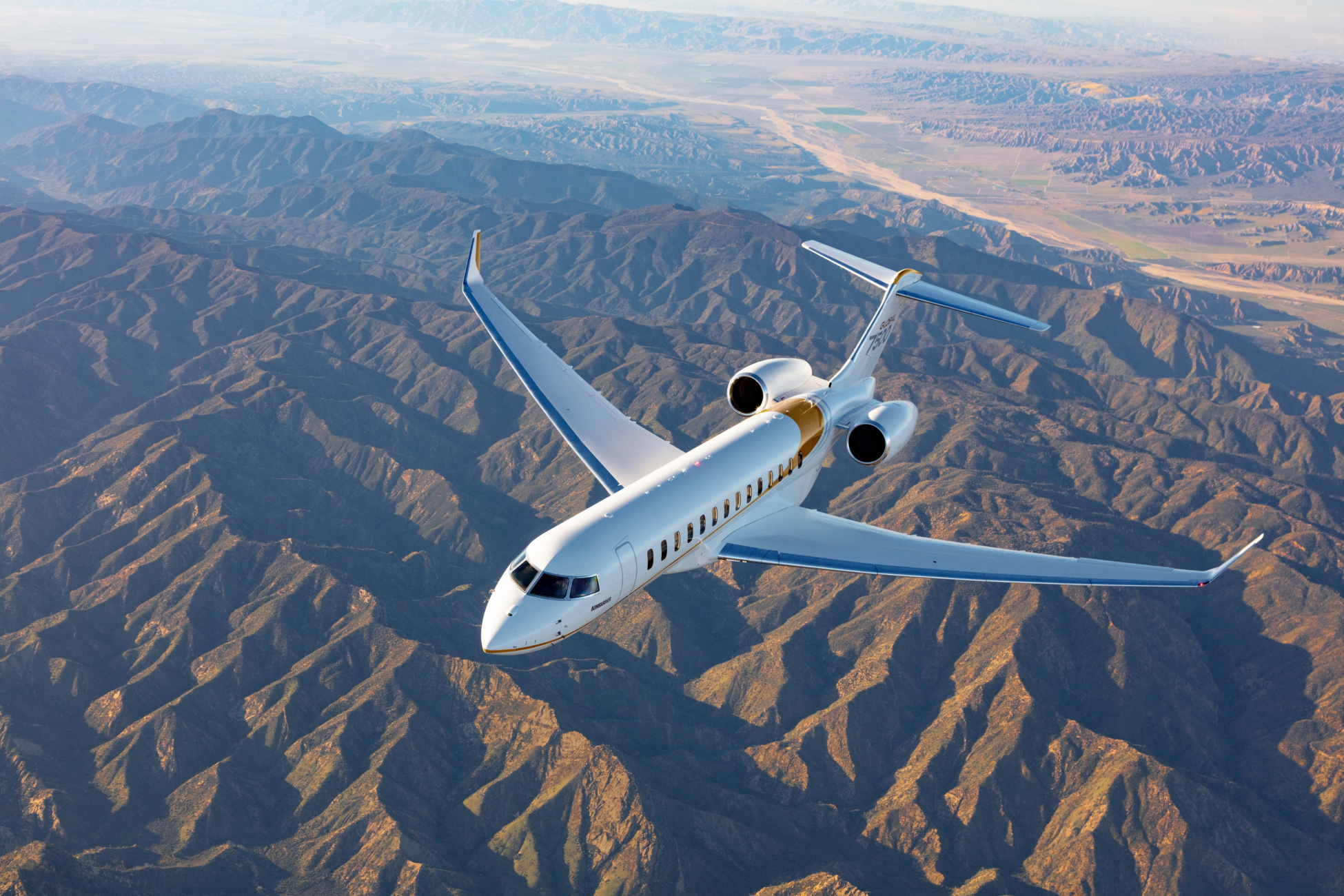
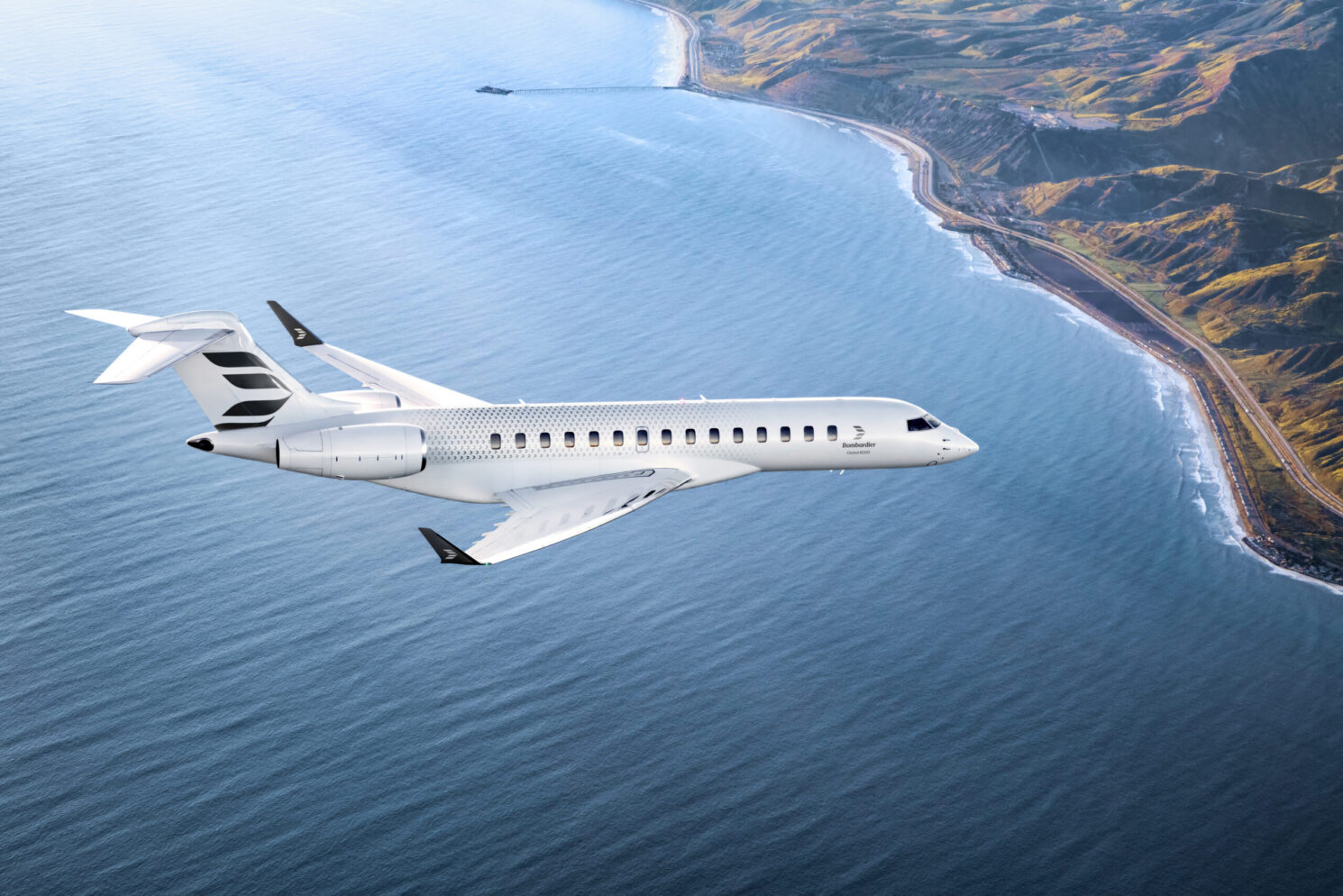
As a broad planning reference, de-icing a light jet or turboprop may cost approximately €500 to €1,500. For an ultra-long-range jet, the bill can exceed €5,000. These Lohn Aviation estimates are neither fixed tariffs nor maximum prices.
The amount depends on factors including the extent of ice or other deposits, weather, location and aircraft type. Fluid quantity, treatment method and local pricing also matter. If further weather exposure requires another treatment, additional costs may arise. A realistic budget allowance is therefore more useful than assuming that every winter flight incurs the same de-icing expense.
What is the difference between de-icing and anti-icing?
De-icing removes existing contamination such as ice, frost or snow. Anti-icing protects treated surfaces against renewed contamination for a limited period. Depending on conditions, these tasks may be performed in one or more treatment steps. The distinction is explained in EASA’s aerodrome rules.
Treatment does not provide protection indefinitely. Holdover time describes an estimated period of effectiveness under particular conditions. Temperature, precipitation type and intensity, and the fluid used influence that assessment. Transport Canada publishes seasonal guidance on this subject. For guests, the practical implication is that departure may be delayed if conditions require a further inspection or treatment. Those decisions are governed by operational safety.
Will skis and luggage fit in the proposed aircraft?
Having enough passenger seats does not answer the baggage question. A ski trip requires passengers, suitcases, ski bags, boots and other equipment to be assessed together. Total weight, usable baggage space, item length and secure loading all matter. A long rigid ski case presents different requirements from several flexible bags.
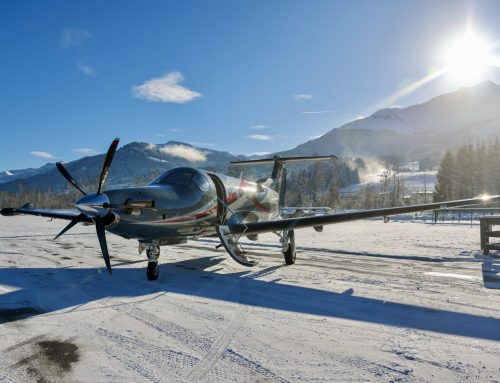
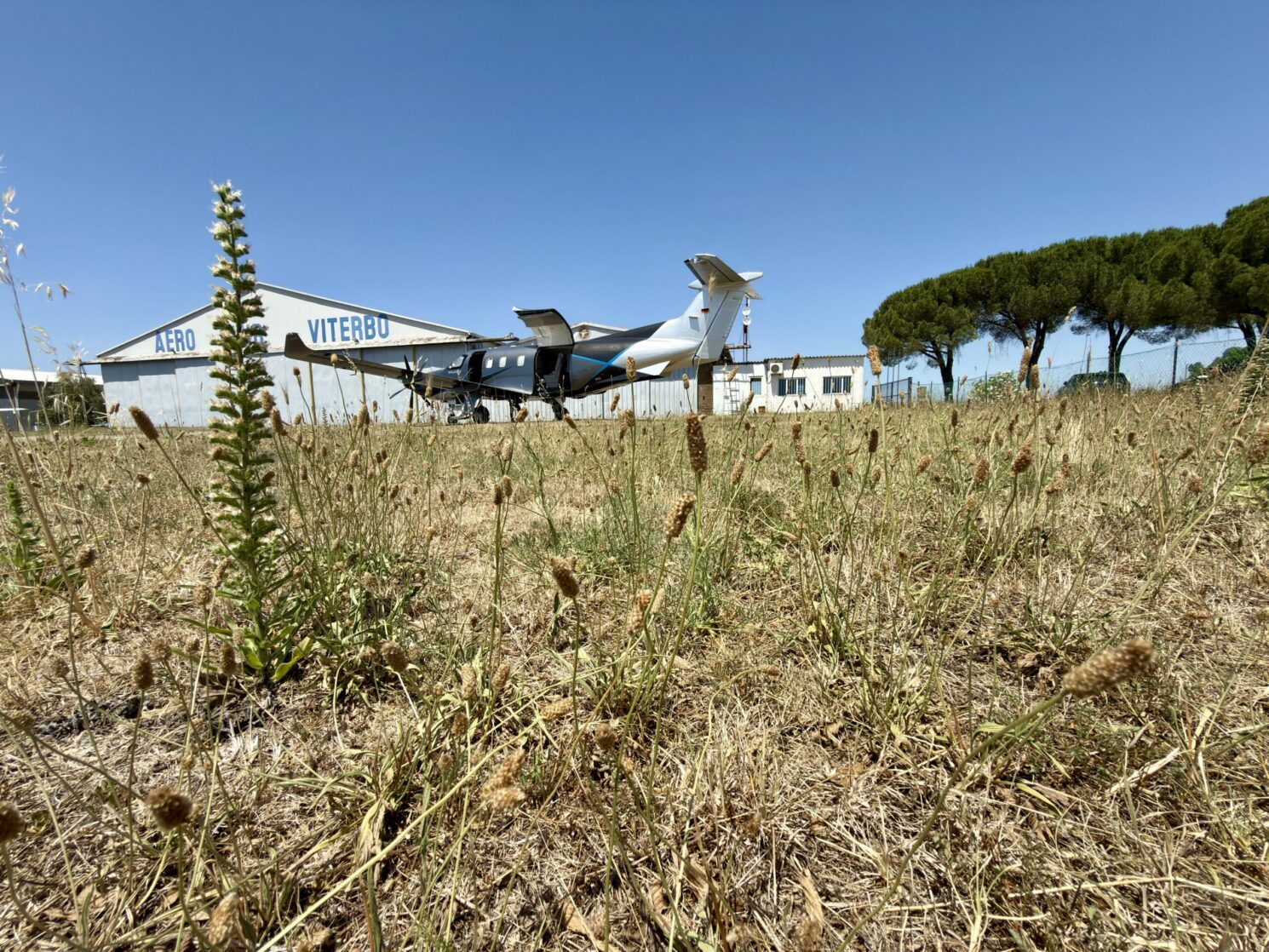
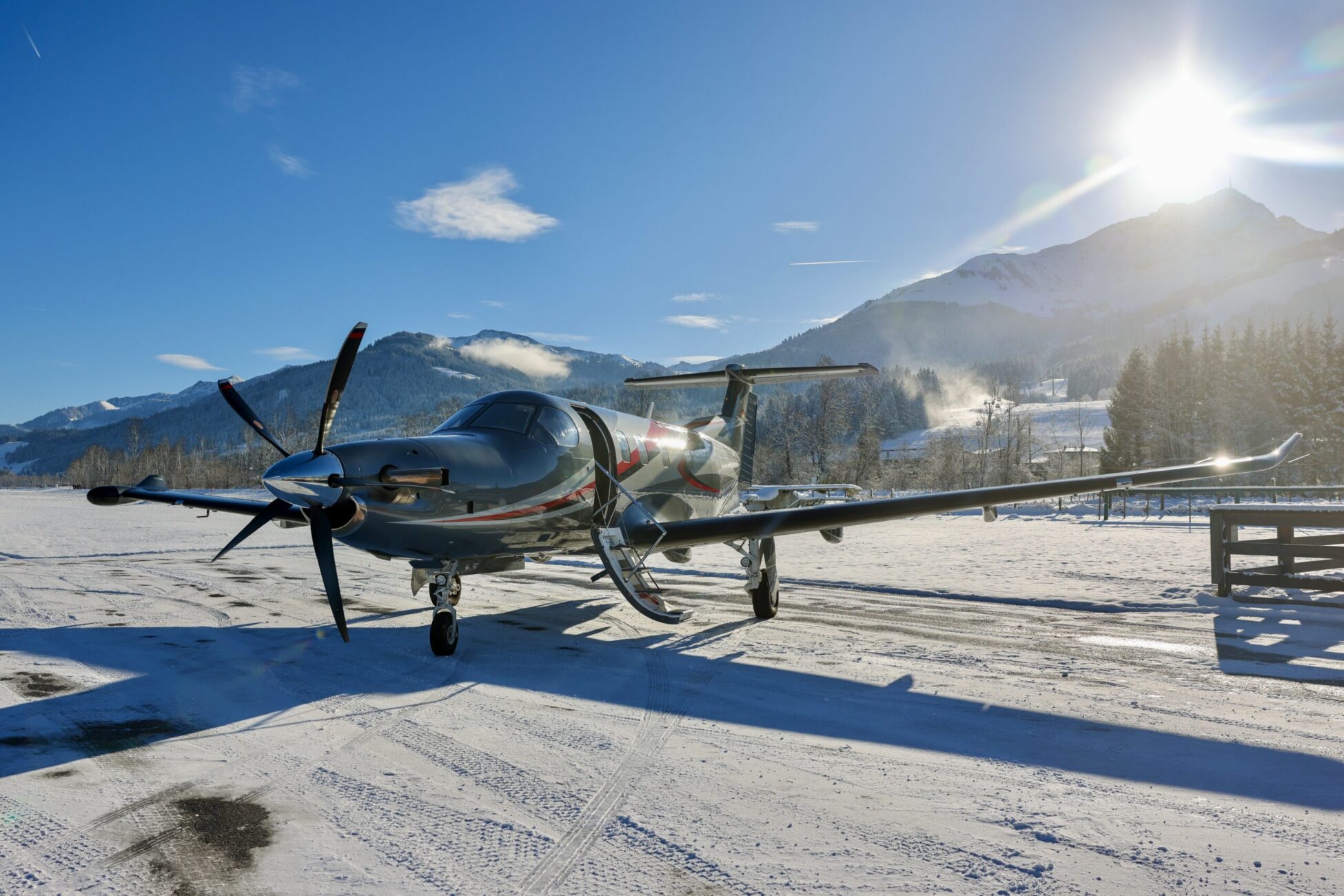
Our Pilatus PC-12 NGX, PC-12 PRO and PC-24 aircraft have large cargo doors. They make bulky equipment considerably easier to load and make these aircraft practical options for ski trips involving several people. Pilatus describes the cargo-door features of both the PC-12 PRO and PC-24. The advantage concerns access for loading; the actual load still requires assessment for the particular flight.
Fuel requirements are part of that calculation. A load that works on a short sector cannot automatically be carried on a longer flight requiring more fuel. We therefore confirm equipment carriage against the proposed aircraft and itinerary. Providing the number, length and approximate weight of ski bags at the enquiry stage is helpful. Dimensions or a photograph can assist with particularly bulky items.
Why might the destination airport be unavailable in winter?
Snow on the runway is only one possibility. Visibility, cloud base, wind, runway condition, operating hours and infrastructure restrictions can also prevent arrival. At Alpine airfields in particular, the plan must suit the terrain and local conditions. An aircraft with appropriate short-field performance cannot use the intended airport in every weather situation.
An alternate airport is considered in operational planning on the basis of its suitability. Its first purpose is to provide a safe alternative. For guests, another question follows: how will they reach their accommodation from there? The appropriate airport is not necessarily the closest one on a map. Road conditions, suitable vehicles and the actual onward journey also belong in the preparation.
Who arranges onward travel following a diversion?
At Lohn Aviation, our 24-hour OCC coordinates that response. The Operations Control Center monitors every flight and liaises with the crew and service providers when relevant changes arise. If weather requires arrival at a different airport, the team initiates the rebooking or adjustment of the agreed guest transfer without waiting for guests to arrange it themselves. They should not have to start searching for a driver at the new airport after landing.
The aim is to absorb the change as smoothly as possible. The vehicle, collection point, arrival time and luggage requirements need to be matched again. For a group carrying several ski bags, simply finding an available car is insufficient. The OCC coordinates the revised arrangements so that the onward journey is organised and guests can remain as relaxed as possible. Relevant changes and their implications are communicated clearly.
A longer drive or a weather-related wait cannot always be avoided. Vehicle availability and road conditions also limit what a well-organised transfer can achieve. The distinctive service lies in taking responsibility for the coordination and supporting guests personally through the change.
Who pays additional transfer or diversion costs?
Arranging a transfer and covering its cost are separate matters. OCC support does not automatically mean that every additional expense is included in the original charter price. The agreed contractual terms determine the position. A different arrival airport may require a longer drive, a rebooking or a different vehicle.
Before booking, establish how weather-related changes are handled, which costs are included and which may be charged separately. The same applies to any additional handling or flight expenditure. Lohn Aviation’s travel and concierge service helps align the flight, accommodation and individually requested transfers. Clear cost arrangements are part of that preparation.
What should be confirmed before booking a winter charter?
A short review of the quotation and itinerary should cover:
- De-icing: Is it excluded, charged according to use or expressly included? Which flight sectors does the agreement cover?
- Ski luggage: Have equipment quantity, length and weight, together with the remaining luggage, been assessed for the specific aircraft?
- Arrival: Which weather limitations matter at the preferred destination, and how will any change be communicated?
- Onward travel: Who adjusts the transfer, and is a vehicle with sufficient space for guests and equipment planned?
- Additional costs: How are expenses arising from de-icing, diversion and changed ground transport handled?
These details allow more precise preparation than a request for an aircraft category alone. For an individual flight enquiry, ski equipment, the destination accommodation and important timing requirements are therefore particularly useful alongside the route, date and passenger numbers.
Transparency statement
The de-icing figures are broad planning estimates rather than binding quotations. Actual charges depend particularly on contamination, weather, location, aircraft and the treatment required. De-icing is not included as standard at Lohn Aviation but can be included by individual agreement. Baggage carriage, destination suitability and onward travel are assessed for the specific operation. The 24-hour OCC coordinates necessary adjustments; this does not establish a general guarantee of a particular arrival time, unchanged transfer duration or free rebooking.
The substance and factual content of this article come from the flying experience of our crew. AI assistance was used in drafting and structuring the text. It was reviewed and approved by our editorial team before publication.